
 Comprehending the Duty of an Arborist
An arborist is a professional that specializes in the treatment and management of trees, shrubs, and other woody plants. Their competence makes sure the wellness, security, and visual appeal of the landscapes in which these plants grow. Arborists play a crucial role not only in the maintenance of public parks and arboretums yet additionally in residential landscaping, focusing on both the charm and the wellness of trees within our communities.
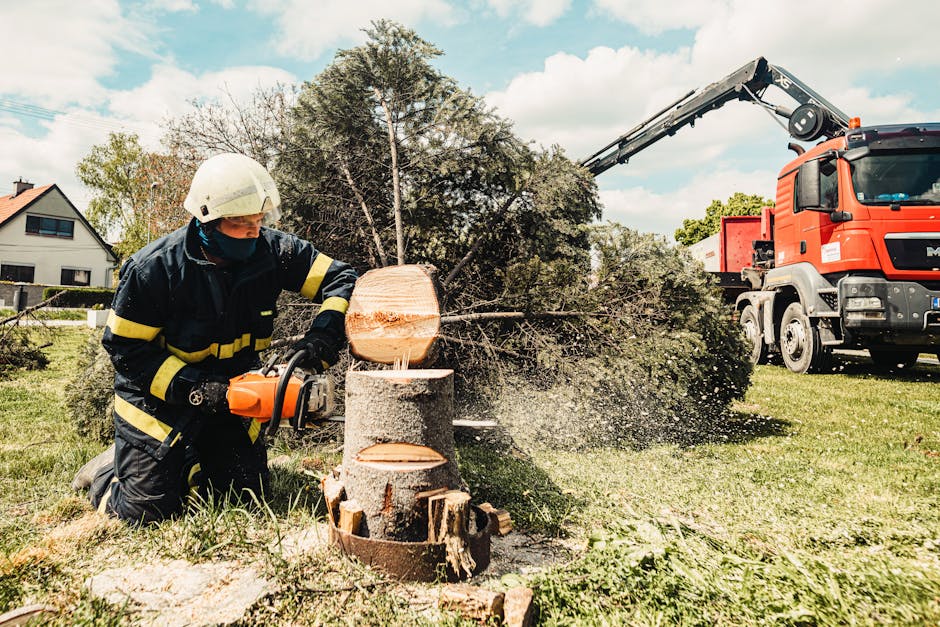
Among the main duties of an arborist is tree treatment, which includes planting, pruning, and getting rid of trees when necessary. Pruning is especially vital as it advertises healthy and balanced development, enhances air circulation, and aids to eliminate possible risks positioned by dead or weak branches. Arborists make use of a range of specialized devices and tools, from hand pruners to chainsaws, to execute these tasks safely and properly, representing the particular needs of each tree types.
Along with physical tree care, arborists likewise analyze tree health via diagnostic tools and techniques. They carefully assess tree types, soil problems, and potential bugs or conditions that can intimidate the general wellness of the trees. With their substantial understanding of tree biology and ecology, arborists can recommend therapies and develop management plans that could include bug control, fertilizing, and soil improvement, ensuring the long life and sustainability of city and country landscapes alike.
In addition, arborists play an essential duty in environmental preservation. By advertising tree planting initiatives and assisting with reforestation efforts, they contribute to the reduction of carbon footprints and the improvement of biodiversity. As city locations continue to broaden, the significance of maintaining an equilibrium in between growth and eco-friendly space becomes progressively apparent. Arborists are key players in advocating for policies that support tree conservation and city forestry, making them essential for environmental health and wellness and community well-being.
In conclusion, the function of an arborist prolongs far beyond easy tree upkeep; it includes an all natural strategy to boosting and preserving our natural surroundings. With their specialized abilities and knowledge, arborists guarantee the health and safety of trees while adding positively to our general landscape. As understanding grows relating to the relevance of trees in mitigating climate modification and supplying habitat for wild animals, the job of arborists will remain to be important in producing sustainable, vibrant neighborhoods.